





Sand is one of the most critical raw materials in construction, playing a key role in concrete strength, plaster finish, brick bonding, and foundation stability. However, not all sand is the same. Each type has distinct physical properties that directly affect durability, load-bearing capacity, and workability.
Understanding the different types of sand used in construction helps homeowners, engineers, and contractors select the right material for each application—ensuring long-lasting and structurally sound buildings.
This guide explains the most commonly used construction sand types, their characteristics, applications, and a step-by-step method to choose the right sand for your project.
Why Choosing the Right Construction Sand Matters
Using the wrong sand can lead to:
- Weak concrete and poor bonding
- Cracks in plaster and masonry
- Excessive shrinkage or water retention
- Reduced structural life
The right sand ensures:
- Better compressive strength
- Improved workability
- Higher durability
- Compliance with construction standards
Step-by-Step Guide: How to Choose the Right Sand for Construction
Step 1: Identify the Application
Ask where the sand will be used:
- Concrete (RCC, foundations, slabs)
- Plastering or masonry
- Filling or backfilling
- Flooring or paving
Step 2: Check Grain Size & Texture
- Fine, smooth sand → plastering & finishing
- Coarse sand → concrete & foundations
Step 3: Evaluate Cleanliness
Construction sand should be:
- Free from clay, silt, and organic matter
- Properly washed and graded
Step 4: Consider Availability & Sustainability
- River sand availability is restricted in many regions
- Manufactured sand (M-sand) offers consistency and eco benefits
Step 5: Match Sand Type to Structural Requirement
Strength, drainage, and bonding needs differ by application.
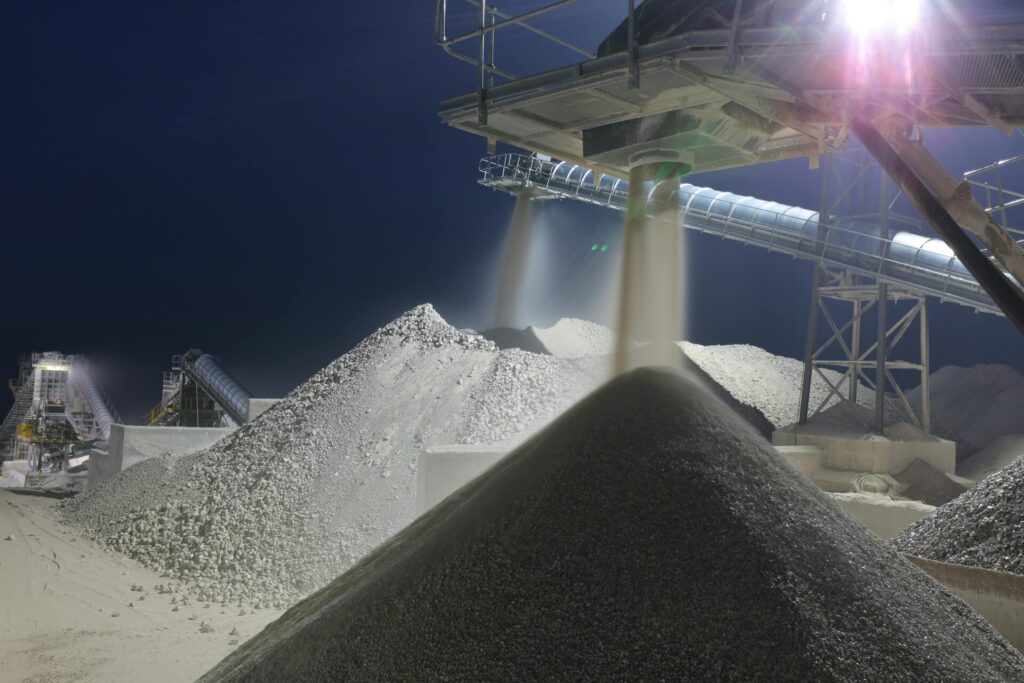
Different Types of Sand Used in Construction and Their Uses
1. River Sand
River sand is a naturally occurring material collected from riverbeds and banks. Its particles are smooth and rounded, making it easy to work with.
Key Characteristics
- Fine texture
- Good workability
- Low clay content (when properly washed)
Common Uses
- Brick masonry
- Plastering works
- Concrete preparation
- RCC structures
River sand remains a preferred choice for finishing work due to its smooth consistency.
2. Concrete Sand
Concrete sand is a coarser, processed sand specifically manufactured for use in concrete mixes.
Key Characteristics
- Sharp, angular particles
- Excellent drainage properties
- Improves concrete strength
Common Uses
- Foundations and footings
- Pavements and driveways
- Sidewalks and slabs
- Structural concrete
Concrete sand is ideal for load-bearing applications where strength is critical.
3. Pit Sand (Coarse Sand)
Pit sand is obtained from inland pits and quarries rather than riverbeds.
Key Characteristics
- Gritty and coarse texture
- Contains more angular particles
- Higher silt content than river sand
Common Uses
- Bedding for paving stones
- Base layers for utilities and pipelines
- Surface levelling
Pit sand is not recommended for RCC but works well for non-structural applications.
4. M-Sand (Manufactured Sand)
M-sand is an engineered alternative to river sand, produced by crushing hard granite rock.
Key Characteristics
- Consistent particle size
- Free from organic impurities
- Higher compressive strength
Common Uses
- Concrete production
- Plastering
- General construction
M-sand is increasingly popular due to environmental regulations limiting river sand mining and its superior quality control.
5. Utility Sand
Utility sand, also known as backfill sand, is coarse and easy to compact.
Key Characteristics
- High compaction ability
- Good drainage
- Less refined texture
Common Uses
- Filling trenches
- Pipe bedding
- Landscaping projects
Utility sand is essential where structural strength is less important than stability.
6. Fill Sand
Fill sand is similar to utility sand but used primarily for large-scale filling.
Key Characteristics
- Coarse grains
- Excellent drainage
- Easily compacted
Common Uses
- Road construction
- Building foundations
- Raising ground levels
Fill sand forms a stable base layer for heavy construction.
Quick Comparison: Which Sand Is Best for Your Project?
| Application | Best Sand Type |
|---|---|
| RCC & structural concrete | Concrete sand / M-sand |
| Brickwork & plastering | River sand / M-sand |
| Flooring & paving base | Pit sand |
| Trench filling & backfill | Utility sand |
| Foundation filling | Fill sand |
Which Sand Is Best for House Construction?
There is no single “best” sand for all purposes. Most residential construction uses a combination of sands:
- M-sand or river sand for concrete & plastering
- Concrete sand for foundations
- Fill or utility sand for levelling & backfilling
M-sand is now widely accepted as a sustainable and high-performance alternative to river sand.
Final Thoughts
Selecting the correct type of sand is essential for structural integrity, durability, and cost efficiency. Each sand type serves a specific role, and understanding these differences helps avoid long-term construction issues.
By matching sand properties to application requirements, builders can ensure stronger structures, smoother finishes, and better overall performance.
Check out the Roma book on GOOGLE PLAY here
Take a look at the Roma book on AMAZON here