





The strength of any building does not begin with concrete or steel—it begins below ground level. The type of soil on which a structure is built plays a decisive role in its stability, durability, and safety. Even the best structural design can fail if the soil beneath the foundation is unsuitable.
This article explains the different types of soil used for building foundations, their properties, advantages, and risks, and provides a step-by-step guide to selecting the right soil for home construction.
Key Takeaways
- Soil type directly impacts foundation strength and building lifespan
- Sandy and loamy soils are considered ideal for most residential foundations
- Clay and peat soils pose risks due to expansion and water retention
- Rock and bedrock offer excellent load-bearing capacity
- Soil investigation and testing are essential before construction begins

Why Soil Type Matters in Foundation Construction
Every structure—whether a house, apartment, villa, or commercial building—transfers its load to the ground below. The soil must be capable of bearing this load without excessive settlement, movement, or moisture-related damage.
Poor soil conditions can lead to:
- Foundation cracks and settlement
- Uneven floors and wall fissures
- Structural instability
- Increased maintenance and repair costs
That’s why understanding soil behavior is one of the most critical early decisions in construction planning.
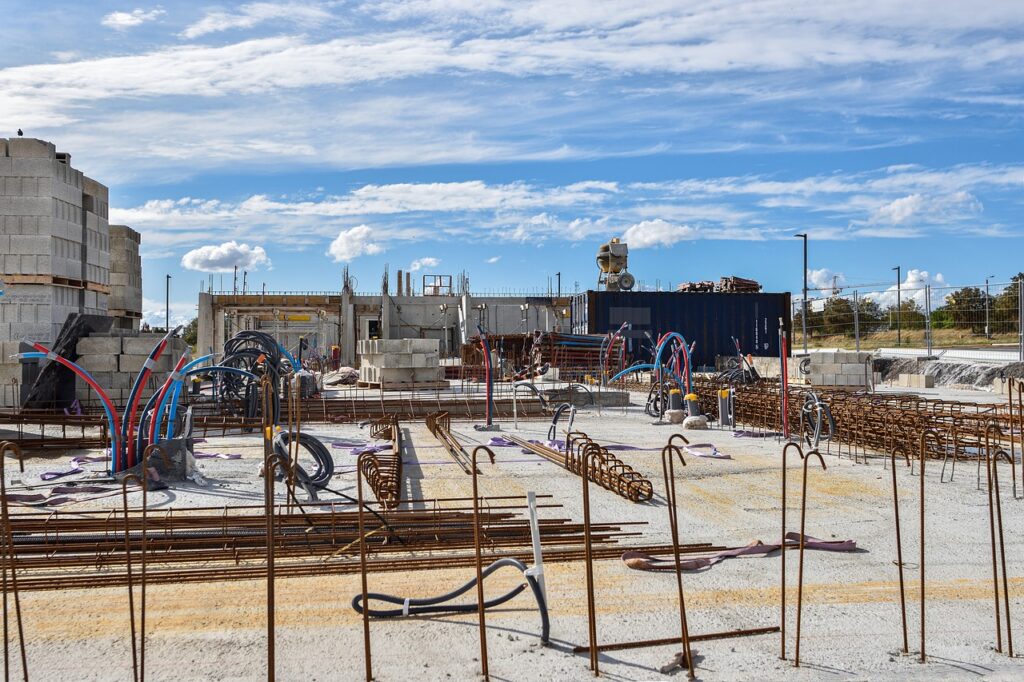
Step-by-Step Guide: How to Choose the Right Soil for a Building Foundation
Step 1: Conduct Soil Testing (Site Investigation)
Before finalizing foundation design, a geotechnical soil test should be conducted. This test determines:
- Soil bearing capacity
- Moisture content
- Soil composition and layering
- Presence of organic matter or chemicals
This data helps engineers design the correct foundation type and depth.
Step 2: Identify the Soil Type at the Site
Most construction sites fall under one or more of the following soil categories:
- Sandy soil
- Clay soil
- Loam soil
- Peat soil
- Rock or bedrock
Each soil behaves differently under load and moisture conditions.
Step 3: Evaluate Water Drainage and Moisture Retention
Soils that drain water efficiently reduce the risk of:
- Foundation swelling
- Cracks due to expansion
- Long-term weakening
Excess water retention is one of the biggest threats to foundation stability.
Step 4: Match Foundation Design to Soil Conditions
Not all soils require the same foundation type. Weak soils may need:
- Deeper footings
- Pile foundations
- Soil stabilization techniques
Strong soils allow for shallower and more economical foundations.
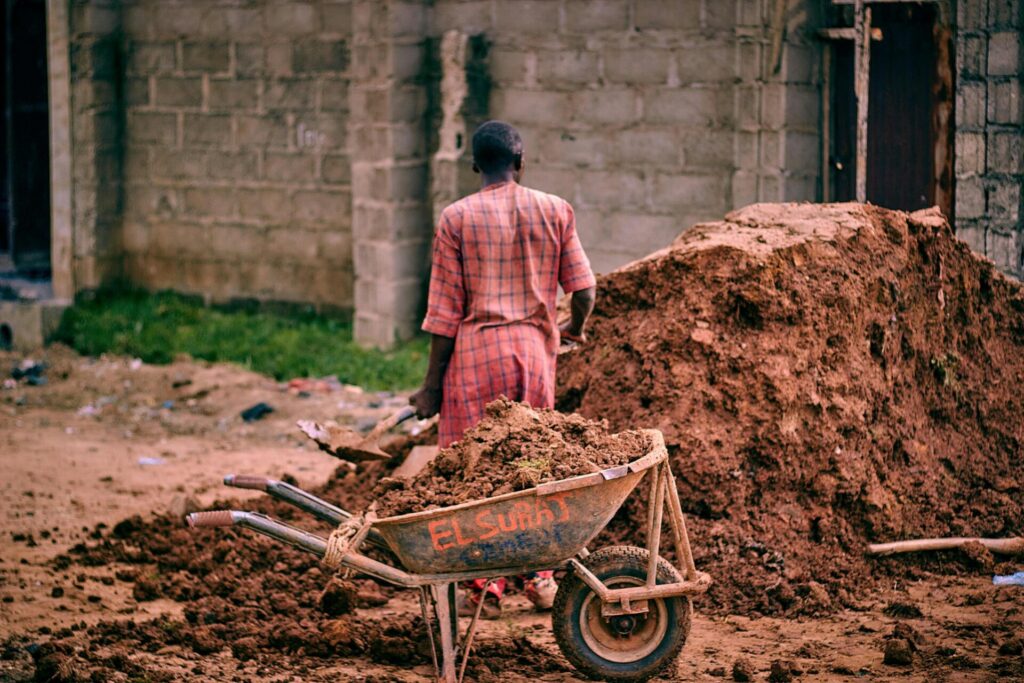
Types of Soil for Building Foundations and Their Properties
1. Sandy Soil (Best for Foundations)
Sandy soil contains large particles that allow water to drain quickly.
Key Characteristics
- Excellent drainage
- Minimal expansion or shrinkage
- Good load-bearing capacity when compacted
Suitability
- Ideal for residential and low-rise buildings
- Reduces risk of water-related foundation damage
💡 Compacted sand and gravel mixtures provide even greater stability.
2. Clay Soil (High Risk if Not Engineered Properly)
Clay soil consists of very fine particles that retain water for long periods.
Key Characteristics
- Expands when wet and shrinks when dry
- High water retention
- Seasonal movement
Challenges
- Foundation cracks due to soil movement
- Requires deeper foundations
- Higher construction costs
⚠ Clay soil can be used only with proper engineering design and moisture control.
3. Loam Soil (Ideal for Home Foundations)
Loam soil is a balanced mix of sand, silt, and clay.
Key Characteristics
- Good drainage and moisture balance
- Stable under changing weather conditions
- High load-bearing capacity
Suitability
- One of the best soils for house foundations
- Minimal expansion or shrinkage
🔎 Ensure organic debris is removed before construction begins.
4. Peat Soil (Not Recommended for Construction)
Peat soil is rich in organic matter and commonly found in wetlands and marshy areas.
Key Characteristics
- Very high water retention
- Low bearing capacity
- Compressible and unstable
Risks
- Foundation settlement
- Structural shifting
- High probability of cracks
🚫 Peat soil is generally unsuitable unless fully replaced or stabilized, which is costly.
5. Rock and Bedrock Soil (Excellent for Foundations)
Rock soils such as limestone, sandstone, and hard chalk offer superior stability.
Key Characteristics
- Extremely high load-bearing capacity
- Resistant to water damage
- Minimal movement
Suitability
- Ideal for heavy structures and high-rise buildings
- Requires leveling before construction
🪨 Bedrock is considered the most stable foundation base when properly prepared.
Which Is the Best Soil for a Home Foundation?
| Soil Type | Suitability | Risk Level |
|---|---|---|
| Sandy Soil | Excellent | Low |
| Loam Soil | Excellent | Low |
| Rock / Bedrock | Excellent | Very Low |
| Clay Soil | Moderate (with design) | High |
| Peat Soil | Poor | Very High |
Important Factors to Consider When Selecting Soil for Foundations
- Load-bearing capacity: Can the soil support the building weight?
- Water behavior: Does it drain or retain moisture?
- Seasonal movement: Does it expand or contract?
- Organic content: Organic matter weakens soil strength
- Chemical composition: Unbalanced soil chemistry can corrode foundations
Soils with sand, gravel, and rock content are generally more stable and predictable than soils high in clay or organic material.
Final Thoughts: Build on the Right Ground
A strong foundation begins with choosing the right soil. Investing in proper soil testing and understanding soil behavior can prevent decades of structural problems. While some soils require advanced engineering solutions, others naturally provide a stable base for long-lasting construction.
Build once. Build right. Start from the soil.
Check out the Roma book on GOOGLE PLAY here
Take a look at the Roma book on AMAZON here