





When you build a home, some choices can be changed later—paint, tiles, fittings. Cement is not one of them.
The cement you choose becomes the permanent backbone of your structure, directly impacting strength, safety, durability, and maintenance costs for decades.
Selecting the wrong cement or incorrect cement grade can lead to structural cracks, reduced load-bearing capacity, and costly repairs. This guide explains why cement selection matters, the different types of cement used in construction, and a step-by-step method to choose the right cement for your home.
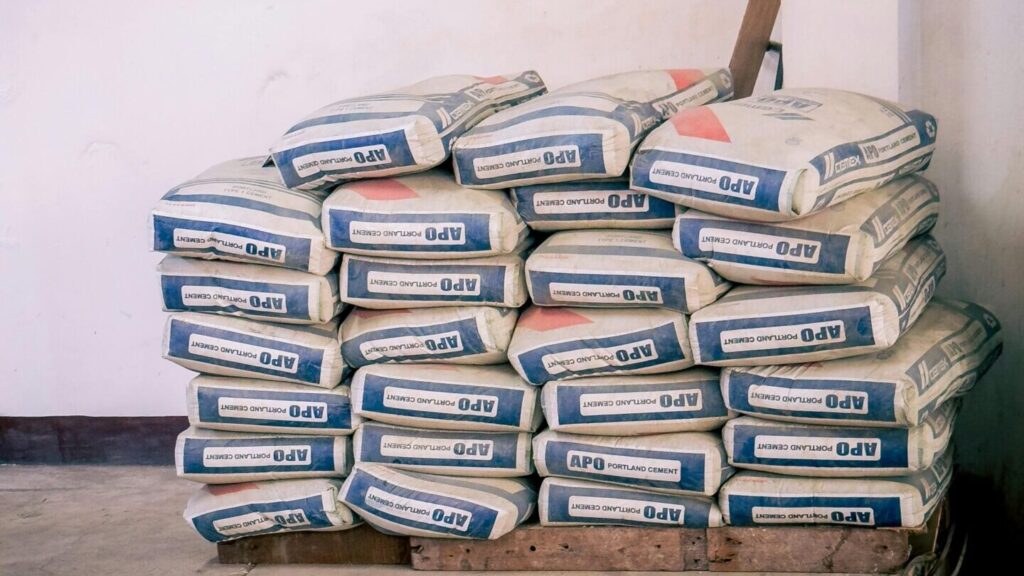
Why Cement Selection Is a One-Time, High-Stakes Decision
Cement acts as the binding agent that holds sand, aggregates, steel, and water together to form concrete. Once the structure is cast, cement quality cannot be upgraded or replaced.
Consequences of Choosing the Wrong Cement
- Early cracking in slabs and beams
- Reduced structural strength
- Poor bonding with steel reinforcement
- Higher maintenance and repair costs
- Shortened building lifespan
- Increased safety risks
Benefits of Choosing the Right Cement
- Long-term structural stability
- Better resistance to moisture and chemicals
- Improved durability in different climates
- Lower lifetime maintenance costs
Step-by-Step Guide: How to Choose the Right Cement for Home Construction
Step 1: Identify the Construction Application
Different parts of a home require different cement properties:
- Foundations & RCC structure
- Masonry & plastering
- Decorative or architectural finishes
- Repair or fast-track construction
Step 2: Assess Environmental Conditions
Consider:
- Soil sulphate content
- Coastal or high-moisture exposure
- Temperature extremes
- Large mass concrete requirements
Step 3: Select the Appropriate Cement Type
Choose cement based on durability, setting time, heat generation, and resistance needs.
Step 4: Choose the Correct Cement Grade
Cement grade determines compressive strength after 28 days and directly affects load-bearing performance.
Step 5: Follow Proper Mixing, Curing & Application Practices
Even the best cement performs poorly if not mixed or cured correctly.
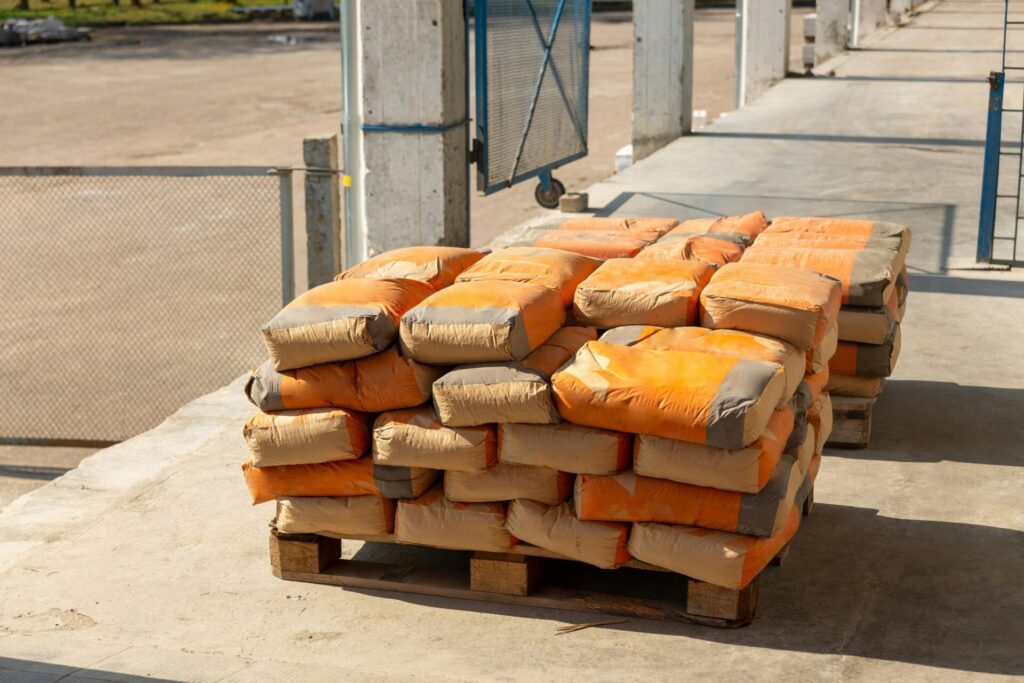
Types of Cement Used in Construction and Their Applications
1. Ordinary Portland Cement (OPC)
OPC is the most widely used cement in general construction.
Key Properties
- High early strength
- Good workability
- Suitable for RCC and masonry
Common Uses
- Residential buildings
- Roads and pavements
- Bridges and general concrete works
2. Portland Pozzolana Cement (PPC)
PPC is produced by blending OPC clinker with pozzolanic materials like fly ash.
Key Properties
- Lower heat of hydration
- Improved long-term durability
- Better resistance to chemical attack
Common Uses
- Home construction
- Mass concrete structures
- Plastering and masonry
3. Rapid Hardening Cement
Designed to achieve high early strength.
Key Properties
- Faster strength gain than OPC
- Early formwork removal
Common Uses
- Road repairs
- Precast concrete units
- Time-sensitive construction
4. Extra Rapid Hardening Cement
An enhanced version of rapid hardening cement with calcium chloride additives.
Key Properties
- Extremely fast strength development
- Effective in cold climates
Common Uses
- Emergency repair works
- Airport runways
- Industrial flooring
5. Quick Setting Cement
Sets very rapidly, making it ideal for urgent repairs.
Key Properties
- Fast initial and final set
- Reduced water penetration
Common Uses
- Water pipe repairs
- Tunnels and sewer works
- Underwater repairs
6. Low Heat Cement
Formulated to reduce heat generation during hydration.
Key Properties
- Slower strength gain
- Minimises thermal cracking
Common Uses
- Dams
- Raft foundations
- Large mass concrete works
7. Sulphate Resisting Cement
Designed to withstand sulphate-rich soil and groundwater.
Key Properties
- High resistance to chemical attack
- Improved durability in aggressive environments
Common Uses
- Coastal construction
- Canal linings
- Retaining walls
8. Blast Furnace Slag Cement
Made using granulated blast furnace slag, an industrial by-product.
Key Properties
- Low heat of hydration
- High long-term strength
- Enhanced durability
Common Uses
- High-rise buildings
- Industrial structures
- Bridges and marine works
9. High Alumina Cement
Manufactured from bauxite and lime.
Key Properties
- Extremely high early strength
- Excellent heat and chemical resistance
Common Uses
- Refractory concrete
- Chemical plants
- Furnaces and kilns
10. White Cement
Produced using raw materials with minimal iron content.
Key Properties
- High whiteness
- Smooth finish
Common Uses
- Architectural elements
- Decorative concrete
- Terrazzo flooring
11. Coloured Cement
White or grey cement mixed with mineral pigments.
Key Properties
- Aesthetic appeal
- Consistent colour finish
Common Uses
- Decorative flooring
- Paving blocks
- Architectural facades
12. Air-Entraining Cement
Contains agents that create microscopic air bubbles.
Key Properties
- Improved frost resistance
- Better workability
Common Uses
- Cold climate construction
- Pavements and bridges
13. Expansive Cement
Designed to expand slightly after setting.
Key Properties
- Compensates for shrinkage
- Improves crack resistance
Common Uses
- Grouting
- Precast elements
- Bridge bearings
14. Hydrographic Cement
Capable of setting and hardening underwater.
Key Properties
- Water-resistant hydration
- Strong bonding in wet conditions
Common Uses
- Marine construction
- Water tanks
- Dams and tunnels
15. Portland Limestone Cement (PLC)
Blended cement with added limestone.
Key Properties
- Lower carbon footprint
- Reduced heat of hydration
Common Uses
- Green buildings
- Foundations
- General-purpose concrete
Understanding Cement Grades: 33, 43 & 53
Cement grade indicates compressive strength after 28 days, measured in N/mm².
33 Grade Cement
- Strength: 33 N/mm²
- Best for: Plastering, non-structural work
- Not suitable for heavy RCC
43 Grade Cement
- Strength: 43 N/mm²
- Best for: Most residential construction
- Suitable for concrete up to M30
53 Grade Cement
- Strength: 53 N/mm²
- Best for: High-rise buildings, bridges, dams
- Requires careful curing due to high heat generation
⚠ Important Note: Higher-grade cement generates more heat during hydration. Improper curing can cause cracking.
Final Thoughts: Build Once, Build Right
Cement is the foundation of your home’s strength and safety. Choosing the correct cement type and grade—based on application, environment, and structural demand—ensures your home remains strong for generations.
Never select cement based on price alone. The cost of the wrong choice far outweighs the savings.
Check out the Roma book on GOOGLE PLAY here
Take a look at the Roma book on AMAZON here